Must-Have Car Spare Parts You Need for a Smooth Ride
Keeping a vehicle running safely and efficiently depends greatly on key spare parts. A dependable battery, efficient brake pads, and quality tires are just a few components that play vital roles. Neglecting any of these can lead to unforeseen issues. Learning how to pick the correct components and determining the right time to replace them can considerably elevate the driving experience. The impact of these decisions goes far beyond simple convenience, prompting consideration of what is genuinely important for a comfortable journey.
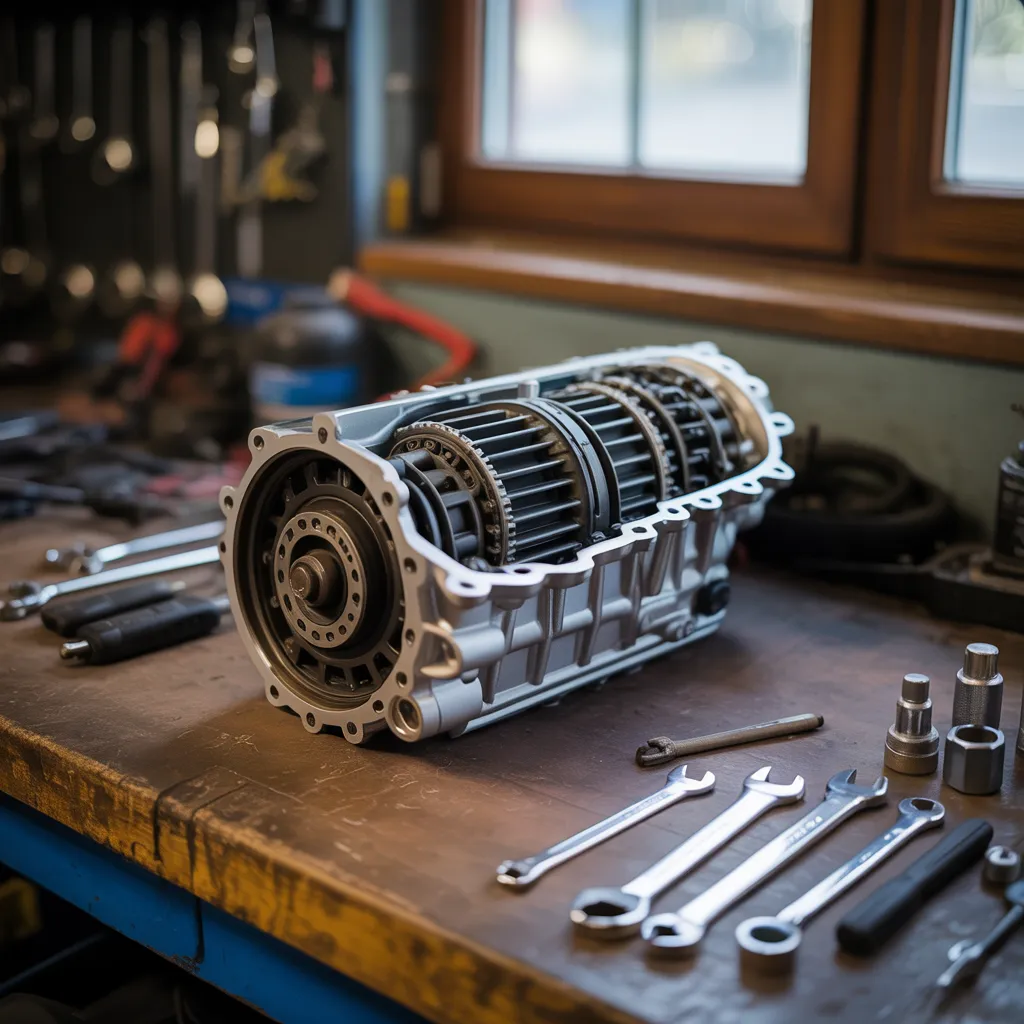
Vital Spare Parts for Your Motor Vehicle
Every vehicle owner should be aware of vital replacement parts that support the reliable performance and security of their car. Essential elements feature the car battery, which supplies the required energy for engine startup and electrical system functionality. The charging unit serves a vital function in keeping the battery charged during engine operation. Moreover, brake pads are essential for guaranteeing effective braking, while air filters preserve engine efficiency by filtering out impurities.
Tires represent another essential component; they affect handling, traction, and overall safety. Consistently monitoring tire tread and pressure is vital. Wiper blades enhance visibility in rainy conditions, while headlights guarantee safe driving at night. Moreover, belts and hoses, like the timing belt and radiator hoses, play a critical role in engine operation and cooling. Maintaining a supply of these spare parts not only boosts vehicle reliability but also supports a safer driving experience.
How to Find the Ideal Battery for Your Car
Picking the correct battery for a car is a critical aspect of maintaining vehicle performance. When picking a battery, one must evaluate several factors. Initially, the battery's type and size should align with the vehicle's specifications, which can generally be found in the manufacturer's manual. Furthermore, the Cold Cranking Amps (CCA) rating is important, as it measures the battery's ability to start the engine in cold weather. Additionally, the Reserve Capacity (RC) rating shows how long the battery can function on its own if the alternator breaks down.
The lifespan of a battery is another crucial aspect to consider; batteries typically endure for three to five years. It is recommended to select well-known brands recognized for their quality and dependability. Finally, price should not be the sole deciding factor. Purchasing a premium battery can help avoid unexpected failures and ensure a more reliable driving experience over time.
Why Are Brake Pads Essential for Your Safety?
Brake pads serve as a critical component in a vehicle's braking system, greatly influencing driver and passenger safety. They produce friction on the brake rotors, permitting the vehicle to reduce speed or halt safely. Degraded or compromised brake pads can lead to reduced braking power, elevating the chance of accidents. This reduced effectiveness can result in extended stopping distances, making it challenging to respond swiftly in critical situations.
Regular inspection and timely replacement of brake pads are vital for maintaining peak braking efficiency. Disregarding warning signs of wear, including squeaking or grinding noises, could cause more significant damage, such as requiring rotor replacement, which tends to be costly. Consequently, confirming that brake pads are in good condition is not only a matter of performance but also a significant aspect of overall driving safety. Vehicle operators should place brake maintenance at the forefront to secure safe travels throughout their driving experience.
Essential Spare Parts: Key Filters to Keep
Even though many drivers pay attention to primary components like engines and brakes, the value of common filters in a vehicle cannot be overlooked. Vital filters, such as the oil filter, air filter, and fuel filter, serve a crucial function in preserving the automobile's performance and durability.
The oil filter removes impurities from engine oil, guaranteeing smooth engine operation and decreasing engine wear. The air filter stops dust and particles from reaching the engine, enhancing fuel efficiency and engine performance. Meanwhile, the fuel filter keeps harmful particles from the fuel system, supporting efficient combustion and preventing damage to the engine.
Consistently checking and changing these filters is crucial for keeping a vehicle in good condition. Neglecting them can lead to reduced efficiency, increased emissions, and even costly repairs. By prioritizing filter maintenance, drivers can secure a smoother ride and extend the lifespan of their vehicle.
When to Replace Worn Tires and Why It Matters
Tire condition is an essential element of vehicle safety and performance. Recognizing the signs of wear and understanding the importance of tread depth can prevent accidents and improve handling. The timely substitution of worn tires is necessary for sustaining favorable driving conditions.
Tire Wear Signs
Damaged tires can have matching information a major impact on vehicle safety and performance. Vehicle owners should remain alert to multiple warning signs of tire wear. Uneven tread patterns, such as bald spots or patches, indicate that the tires may need replacement. Additionally, if the tread appears markedly shallower than the manufacturer's specifications, this is a clear warning sign. Splits or protrusions on the tire sidewalls likewise indicate structural damage, putting safety at risk. A vehicle pulling to one side during driving may hint at uneven tire wear, necessitating immediate attention. Lastly, unusual vibrations or sounds while driving may signal tire deterioration. Regular inspections and awareness of these signs are essential for maintaining ideal vehicle performance and ensuring safety on the road.
Significance of Tread Depth
Maintaining adequate tread depth is essential for vehicle safety and performance. Tread depth affects traction, particularly in wet or slippery conditions, where insufficient depth can lead to hydroplaning. A general rule is to replace tires when tread depth falls below 2/32 of an inch. Traveling on worn tires lengthens stopping distances and reduces handling capability, making it important to inspect tread wear consistently. Furthermore, irregular tread wear may signal alignment or suspension problems, which should be resolved without delay. By ensuring proper tread depth, vehicle owners enhance safety, improve fuel efficiency, and prolong tire life. Regular inspections and timely replacements are fundamental steps in maintaining peak performance and reducing the risk of accidents on the road.
Where to Find Quality Spare Parts for Your Car
Where is it possible to locate reliable spare parts for their vehicle? Quality spare parts are essential for guaranteeing peak performance and longevity. Local automotive parts shops frequently offer a range of components, enabling buyers to examine parts firsthand. Digital marketplaces, including Amazon and dedicated auto parts platforms, deliver accessibility and cost-effective options, commonly displaying user reviews and ratings to inform selections. Furthermore, certified dealerships ensure authentic manufacturer parts, which are engineered precisely for particular vehicle models. Salvage yards can also be an economical option, providing pre-owned components that remain in serviceable condition. Furthermore, car enthusiast forums and online communities can provide suggestions and guidance for obtaining reliable components. Ultimately, a blend of these sources can help guarantee that vehicle owners find the necessary components to maintain their cars effectively.
Questions We Often Receive
How Regularly Should I Review My Spare Parts?
Periodic evaluations of spare parts should occur every 5,000 and 7,500 miles or as part of scheduled maintenance. This ensures maximum performance and safe operation. Additionally, physical examinations should be conducted on a monthly basis for any noticeable wear or deterioration.
Can Used Spare Parts Be Used for My Car?
Certainly, used spare parts can be applied for a car, so long as they are in excellent condition and compatible. However, one must properly examine their dependability to ensure both safety and performance stay intact.
What Tools Do I Need for Spare Part Replacement?
To substitute spare parts, one typically needs essential tools such as wrenches, screwdrivers, pliers, and both a jack and a torque wrench. These tools facilitate safe removal and secure installation, guaranteeing the vehicle operates correctly and is well maintained.
How Do I Recognize a Legitimate Spare Part?
To recognize an authentic spare part, a person should check packaging for authenticity seals, check manufacturer details, match part numbers, and seek reputable suppliers. Additionally, warranties and reviews can assist in verifying the part's authenticity.
Are Aftermarket Parts Reliable Compared to Original Ones?
Third-party parts can be trustworthy, but standards vary considerably. Shoppers should evaluate brands, examine reviews, and verify compatibility. Manufacturer parts commonly deliver reliable performance, while trusted third-party alternatives can offer financial savings without compromising safety.